Chapter 3: Staging Techniques and Strategies
About this Lesson - Accessorizing For Impact
"Odd numbers have a captivating energy that even numbers simply lack. The rule of three is like magic; it instantly adds visual interest and a touch of the unexpected", Nate Berkus
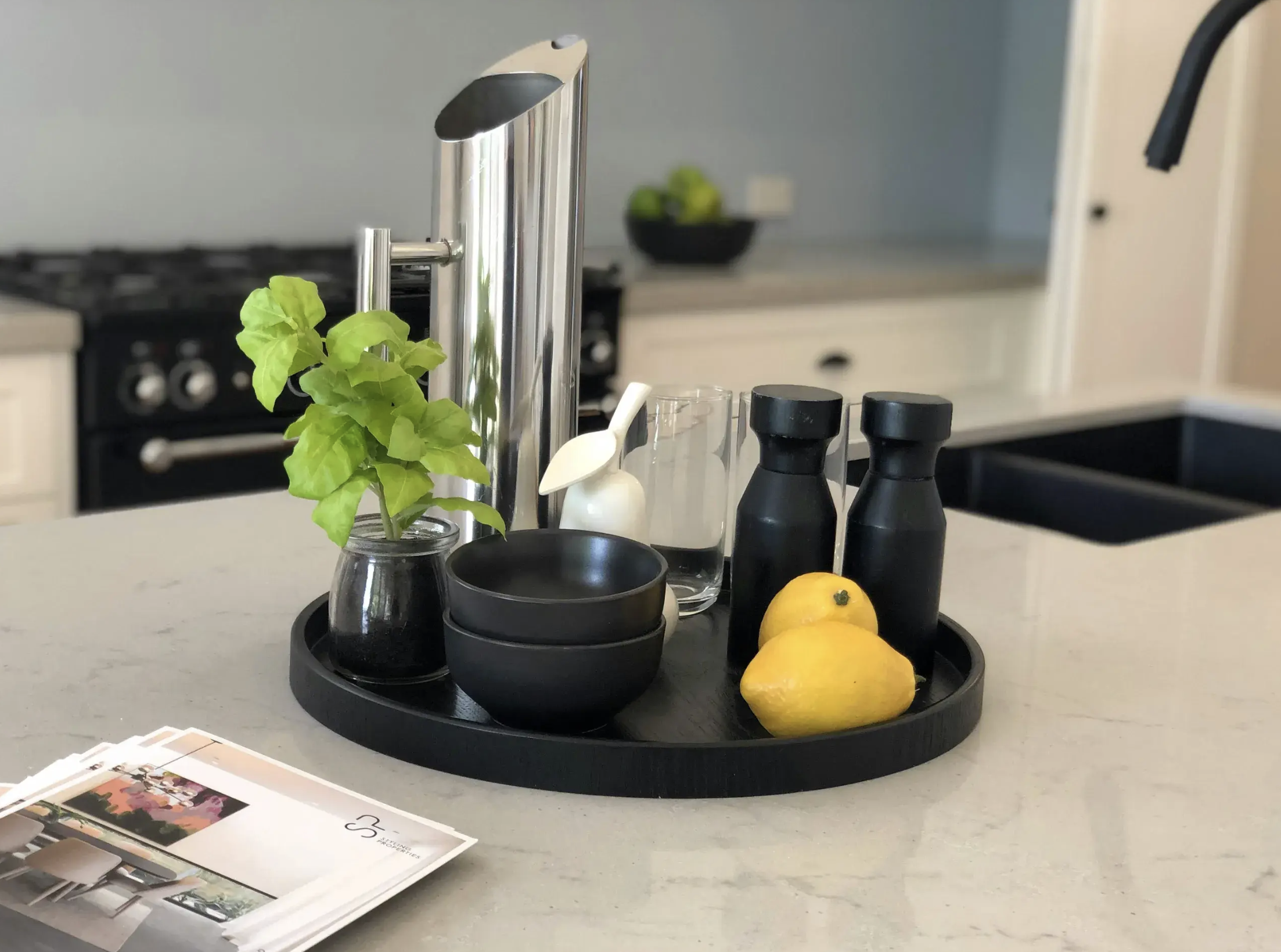
Welcome to Lesson 4 of Chapter 3: Staging Techniques and Strategies, Accessorizing, where we delve into the art of accessorizing to create a lasting impact. This lesson is an integral part of our comprehensive course, specifically designed for women in transition, aiming to stage their homes effectively. Our goal is to enhance the appeal and marketability of your property, leading to faster sales and higher offers.
Accessorizing is a powerful tool in home staging that can add personality and interest to any space without overwhelming it. In this lesson, you will learn how to select and place accessories strategically to highlight the best features of your home. We will guide you through the process of choosing the right pieces that complement your existing decor, ensuring a cohesive and inviting atmosphere.
Throughout this lesson, you will discover:
The Importance of Balance: Learn how to achieve a harmonious look by balancing colors, textures, and sizes of accessories.
Focal Points: Understand how to create focal points using accessories to draw attention to key areas of your home.
Layering Techniques: Explore the art of layering accessories to add depth and dimension to your spaces.
Personalization: Discover how to infuse your personality into your home staging while maintaining broad appeal.
This lesson is packed with practical tips and visual examples to help you master the art of accessorizing. By the end of this lesson, you will be equipped with the knowledge to transform your home into a welcoming and attractive space that resonates with potential buyers.
Join us in Lesson 4: Accessorizing for Impact, and take a significant step towards achieving your home staging goals. Elevate your home's appeal and make a lasting impression on every visitor.
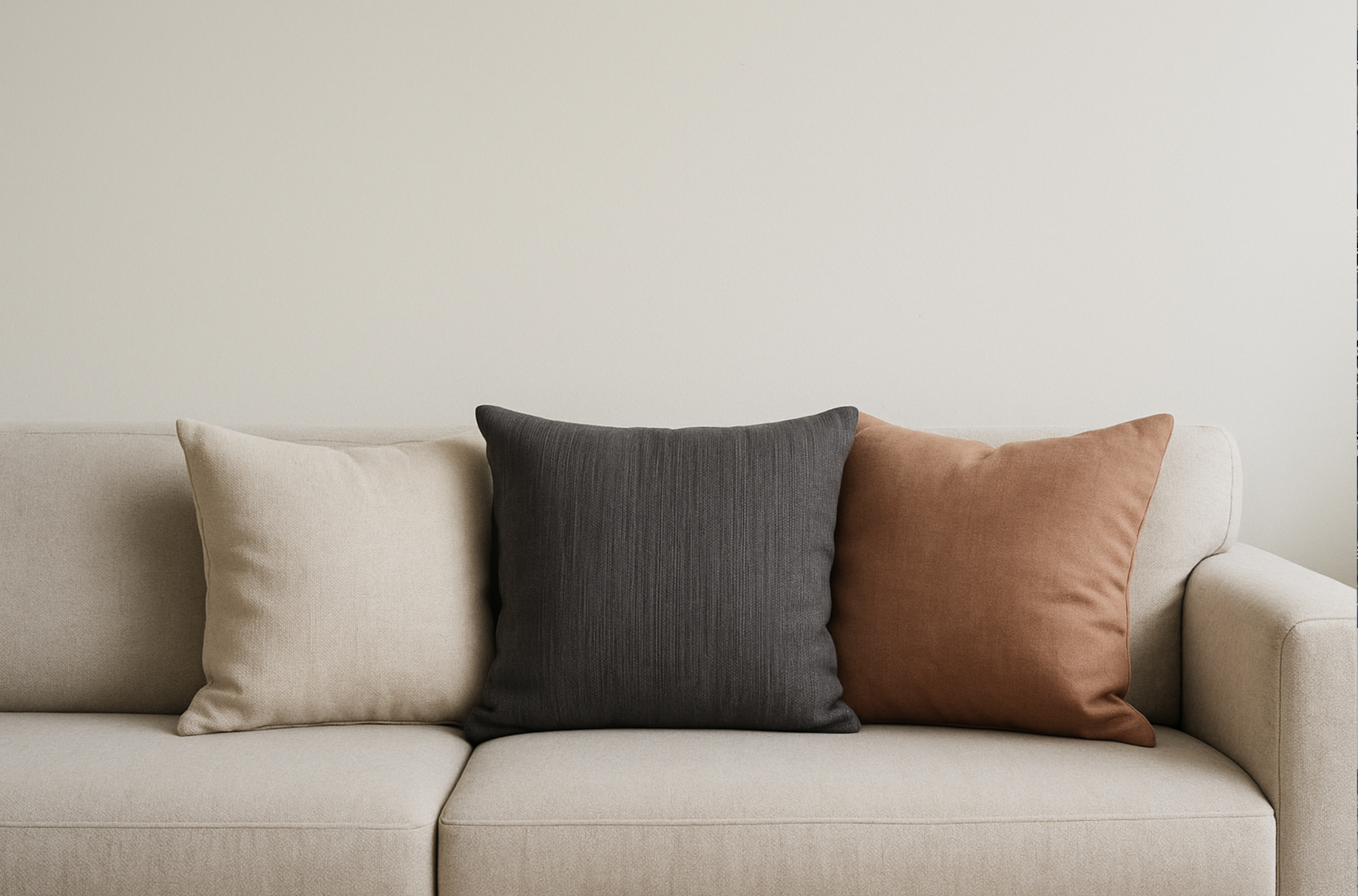
1. The Accessory Rule of Three
You’ve probably heard of the "rule of three"—it’s a simple idea that says things grouped in threes just feel right. And you might ask why? There’s something almost magical about threes. Our brains crave patterns, but not too much symmetry. Pairs feel rigid, even predictable. Fours and fives start to feel cluttered. But three?
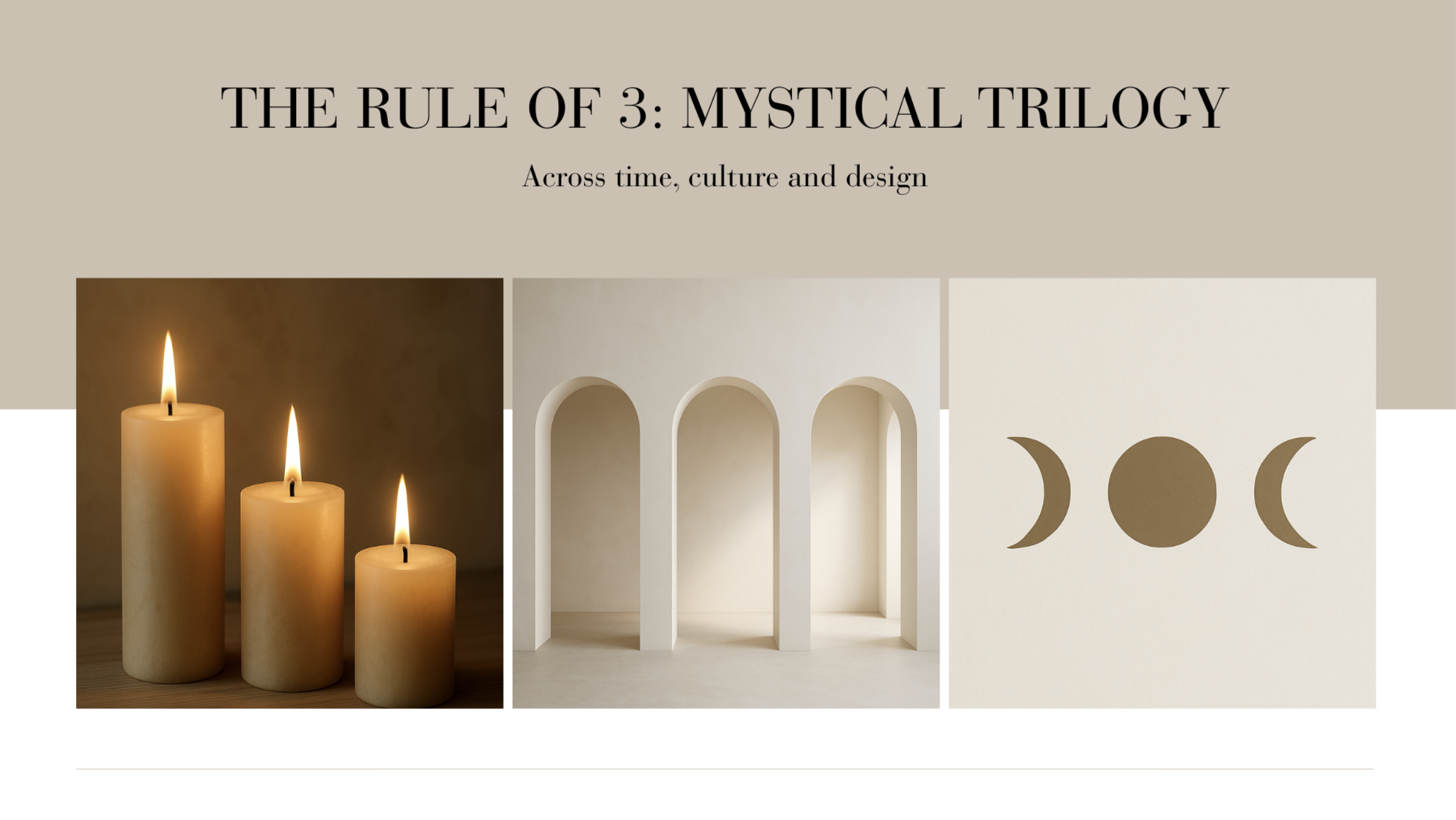
Three is harmony. It’s the rhythm of beginning, middle, and end… mind, body, spirit… past, present, future.
When we see objects arranged in threes, our brains relax and lean in—it feels complete, but with just enough tension to stay interesting. It’s balance without boredom, order with a dash of mystery. That’s why the rule of three has been used not just in design, but in storytelling, art, and even spiritual traditions across cultures.
In the context of staging, the "rule of three" is the more relevant and well-established guideline for accessorizing.
Action:
Try it out. This might look like a trio of decorative accents on a shelf, three picture frames aligned on a wall, or a set of pillows placed on a sofa. When creating these groupings, pay attention to size, shape, and color. For instance, if you’re styling vases, try mixing different heights and silhouettes while keeping them within the same color family to create harmony and interest.
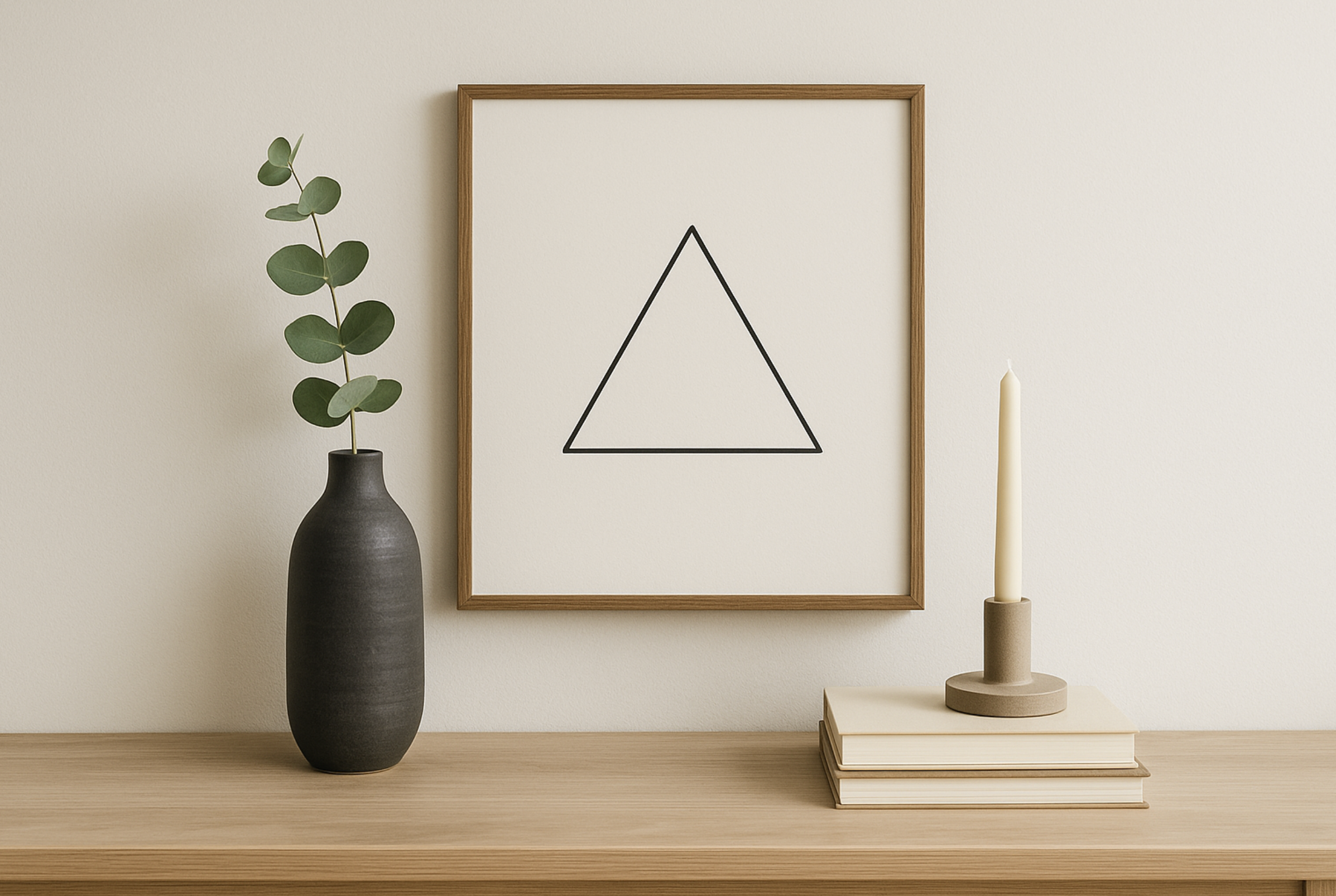
Why I love geeking out on this one! Because there's more to it, and it goes deep! The next layer, is "the rule of 1, 3, 5". It adds more complexity and sophistication. It creates rhythm, and balance and a narrative.
Here's why:
2. The Rule of 1-3-5
1. The Power of One
A single object has presence. It commands attention, carries weight, and sets the tone. One bold vase, one striking artwork, one sculptural chair—this is the anchor. One represents unity, source, and clarity. It whispers: start here, focus here.
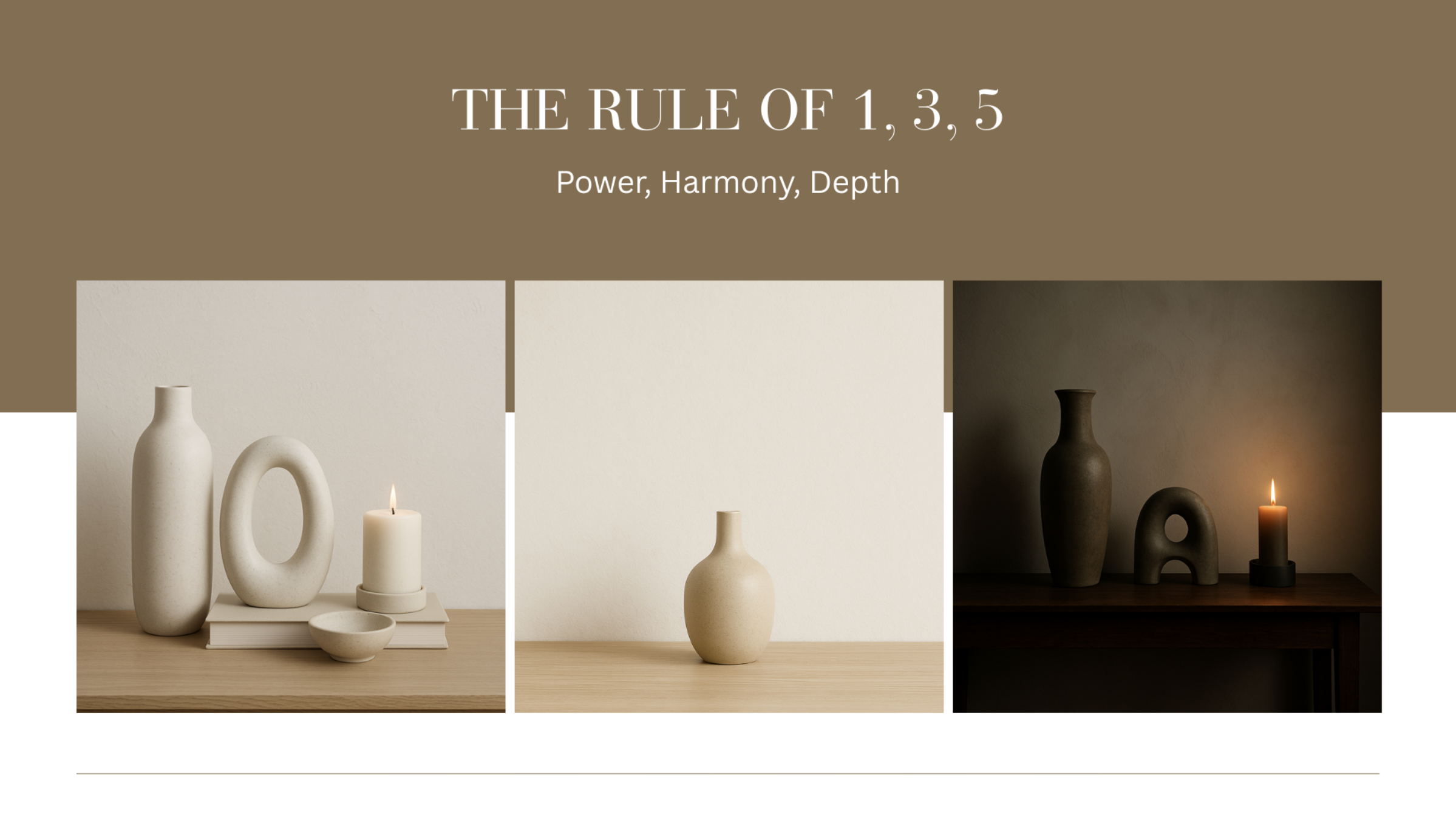
2. The Harmony of Three
Surrounding that anchor, three creates flow. It introduces variety and rhythm without losing cohesion. Three small accessories beside a strong central piece create movement and story. Symbolically, three is creativity, expansion, and balance—it completes the cycle begun by one.
3. The Depth of Five
Then, five takes it further. It’s dynamic, slightly more complex, but still harmonious. Five draws the eye outward, creating a field or environment around your focal point. Think of five candles, five frames, or five cushions—enough to feel abundant but not chaotic. Spiritually, five is freedom, the human form (five fingers, five senses), and the bridge between order and wildness.
Translating Object Rules into Spatial Design
Rule of 3 in Space
Instead of 3 objects → think 3 visual anchors in a room.
Example: sofa + rug + artwork. Or, bed + nightstands + lamps.
Works beautifully with triangular sightlines (your eye bounces naturally between the three).
3. Create Focal Points
A focal point is not just an object — it’s the altar of the room. It’s where the energy gathers and the story begins. Too many stars compete; one star shines.
Think of it like a stage: the focal point is the lead actor, and everything else is supporting cast.
In spiritual language: the focal point is the hearth or heart of the room, where the eye and spirit rest.
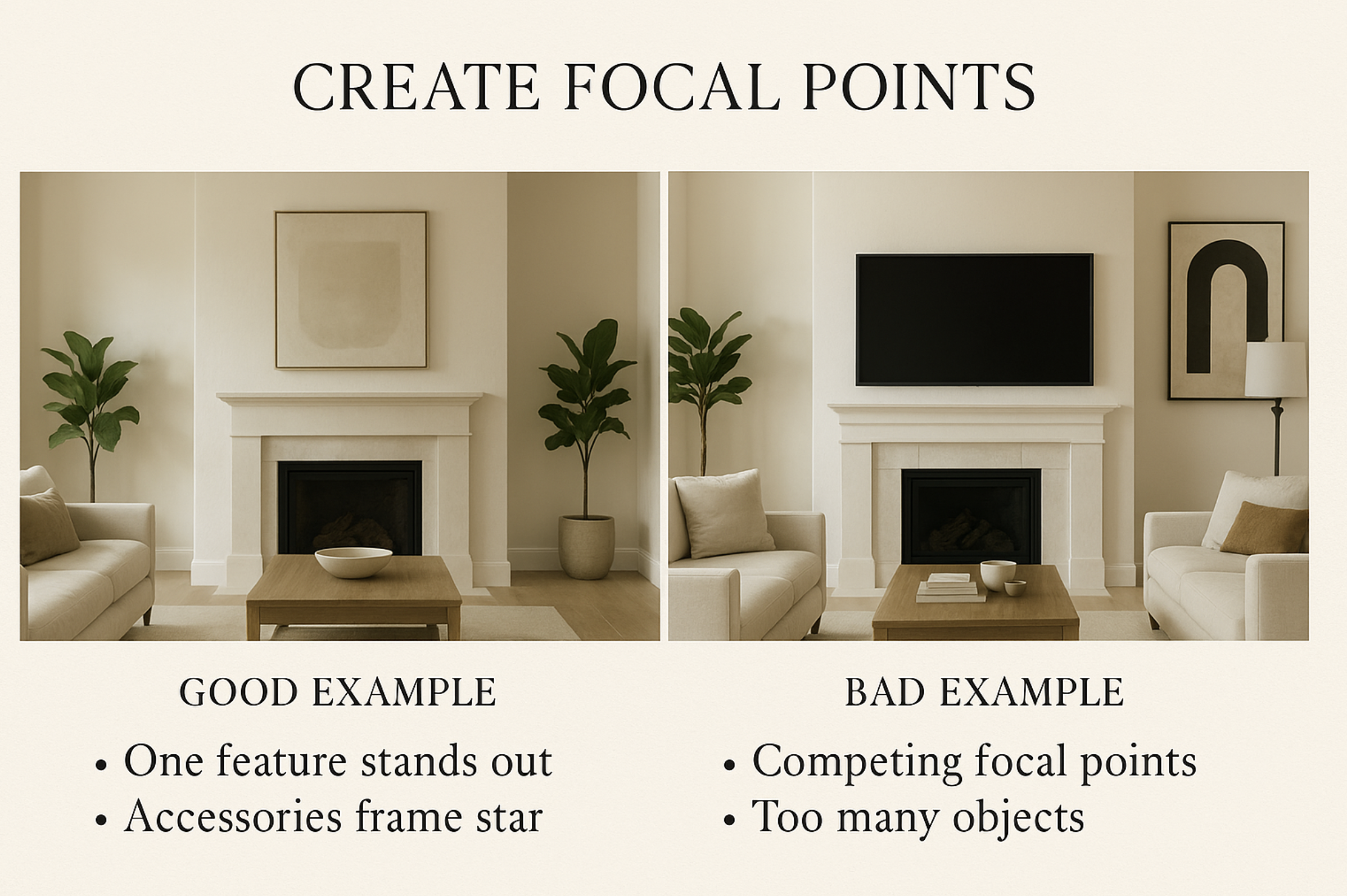
Choose one feature per room to highlight. Examples: fireplace, bed with layered pillows, large artwork, or a dining table centerpiece.
Use accessories to frame and guide the eye. Plants, lamps, mirrors, and side tables can “point” toward the star.
Avoid competing focal points. One clear star is enough — otherwise the room feels chaotic and buyers don’t know where to look.
4. Balance Without Clutter
Match visual weight, not identical items.
Distribute colors evenly around the room.
Avoid over-accessorizing—leave breathing space.
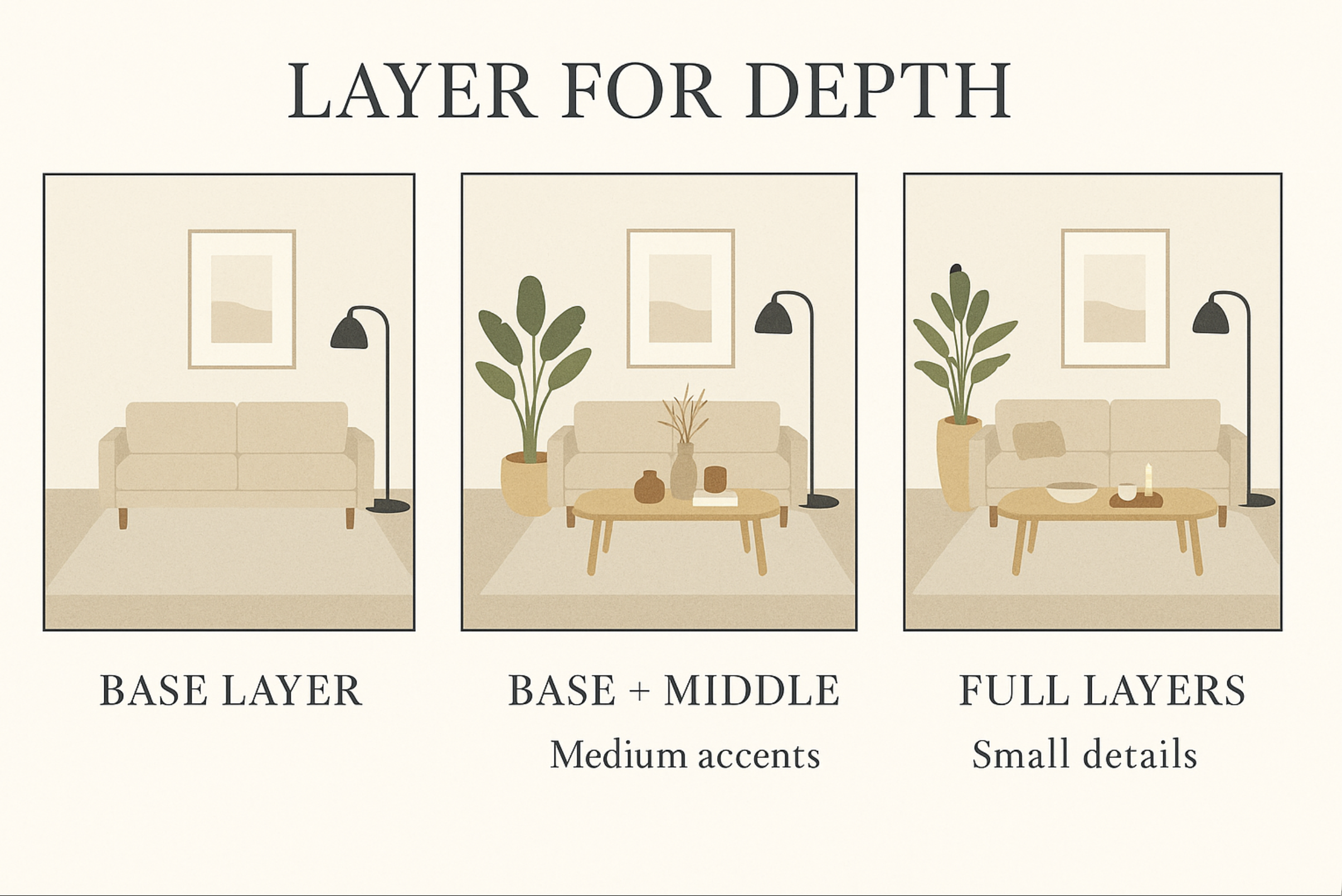
5. Layer for Depth
Base layer: Large anchor items (rug, art, lamp).
Middle layer: Medium accents (vases, plants, books).
Top layer: Small details (candles, decorative objects).
5. Personalization with Broad Appeal
Use neutral but warm pieces—throws, pillows, plants.
Display lifestyle hints—tray with coffee cups, stacked books.
Remove highly personal or polarizing items (family photos, niche collections).
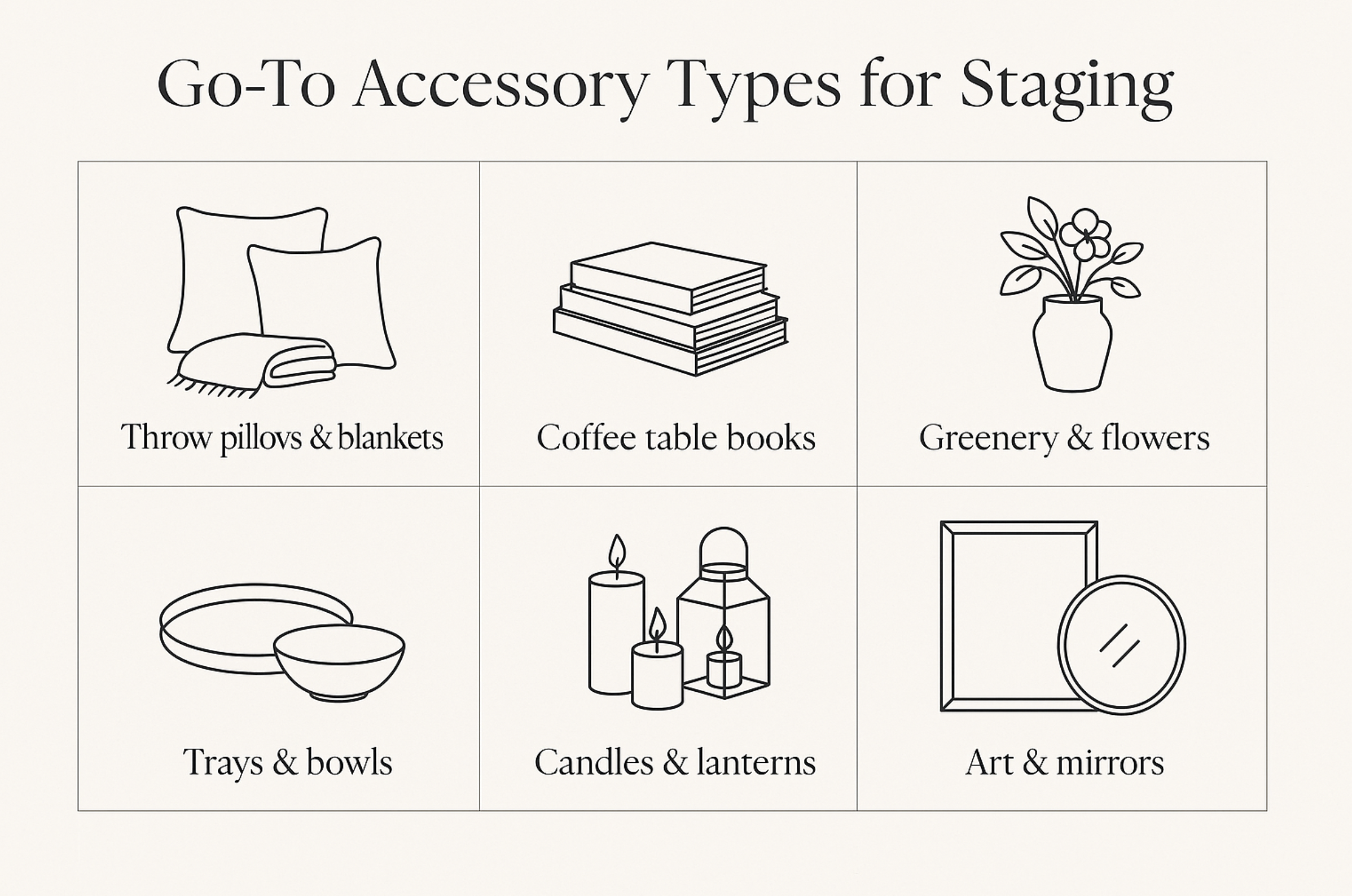
6. Go-To Accessory Types for Staging
Throw pillows & blankets
Coffee table books
Greenery & flowers (real or high-quality faux)
Trays & bowls
Candles & lanterns
Art & mirrors
Action:
Now it’s your turn!
With the Rules of 3, and 1-3-5 and these accessorizing guidelines fresh in your mind—balance, focal points, layering, personalization, and go-to accessories—it’s time to play.Your Action: Choose one room (or even just a console or coffee table) and apply the principles:
Start simple—pick your focal point.
Layer thoughtfully—base, middle, top.
Use the Rule of 3 to bring balance.
Use the Rule of 1-3-5 to bring depth.
Add one or two go-to accessories to finish.
Then step back and feel it. Does the space flow? Does your eye know where to land? Does it feel right?
Remember: You’re not just decorating—you’re creating an atmosphere. A room that tells a story, holds emotion, and invites buyers in.
Find an Accessorizing Cheat Sheet and The 3/1-3-5 Rules in you Files.