Chapter 1: Introduction To Home Staging
IN THIS LESSON
Welcome to Lesson 1 from Chapter 1: Voices That Shaped Home Staging, voices I admire.
Before we dive into the step-by-step staging process, I want to take a moment to recognize the leaders who helped shape this field. Staging is an art, a business, a marketing strategy, and a profession built by many different perspectives. Their contributions remind us that staging is not about copying one style—it’s about discovering your own. These pioneers carved different paths, learning their philosophies and ideas taught me to choose my staging style—and to honor the community I’m joining.

Debra Gould — The Staging Diva
One of the first voices to emphasize that home staging isn’t rocket science, Debra has inspired thousands of stagers (myself included) to build confident, profitable businesses without over complication. Her clear, heart-centered teaching encourages stagers to avoid gimmicks and trust that small, smart changes create real impact. Debra supports a non-inventory approach.
Barb Schwarz — The Creator of Home Staging
Barb is widely recognized as the originator of the term “Home Staging” and the founder of IAHSP, the first professional staging association. Her work brought professionalism and structure to staging, setting ethical standards and reminding us that preparation for sale is a craft with integrity.
Meridith Baer — Luxury at Scale
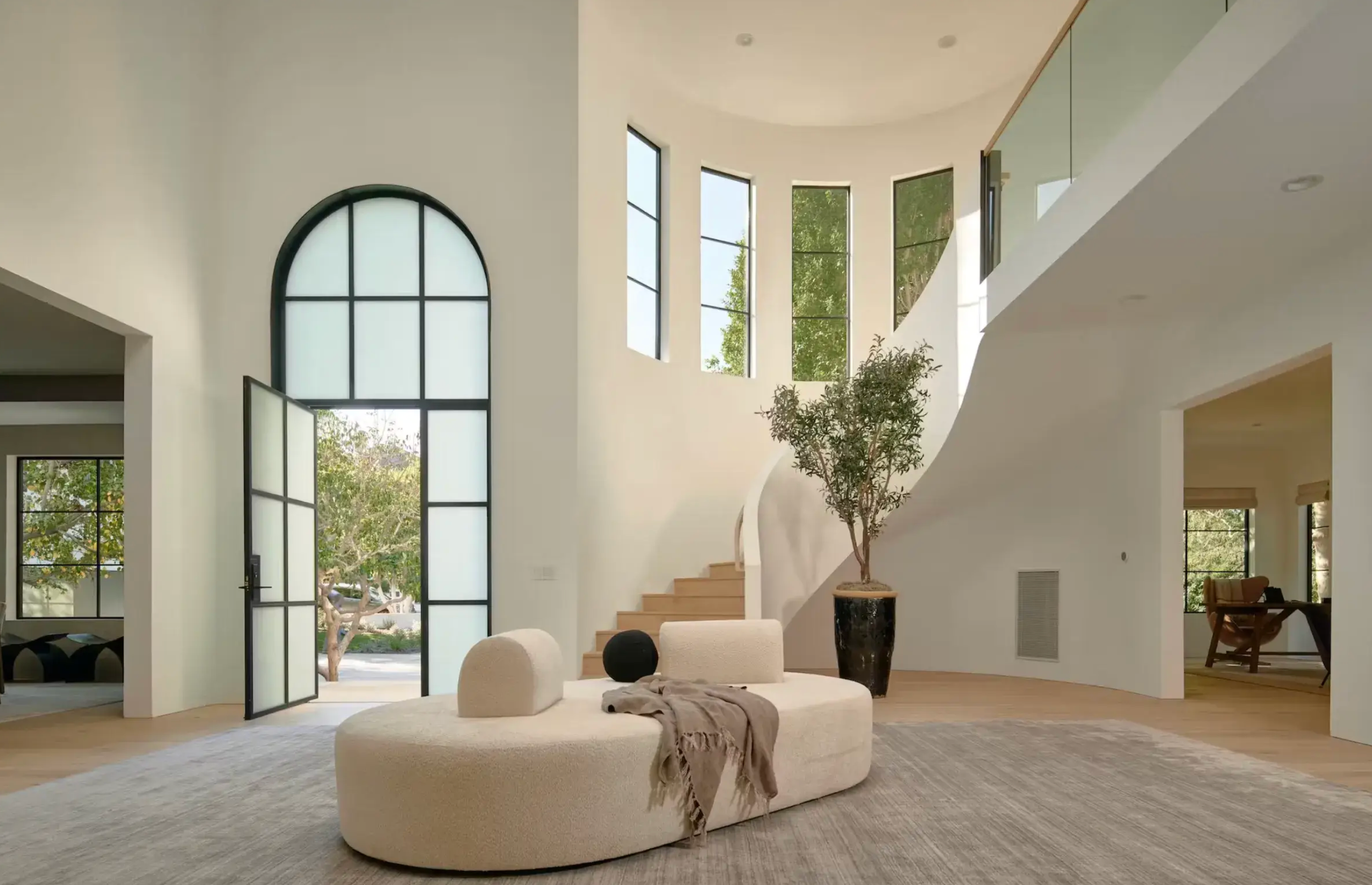
Meridith built one of the largest staging firms in the country, staging for celebrities and top-tier real estate. Her style demonstrates that staging at the highest levels still comes down to clarity of purpose: defining each room, creating focal points, and using brightness strategically to make a home irresistible.
Cheryl Eisen — Design Meets Marketing
Founder of Interior Marketing Group, Cheryl redefined staging in New York by blending it with branding and PR. Her approach treats each staged home as a story, ready for magazine spreads and media buzz. She reminds us that staging isn’t only about furniture—it’s about positioning a lifestyle in the marketplace.

Kristie Barnett — The Decorologist
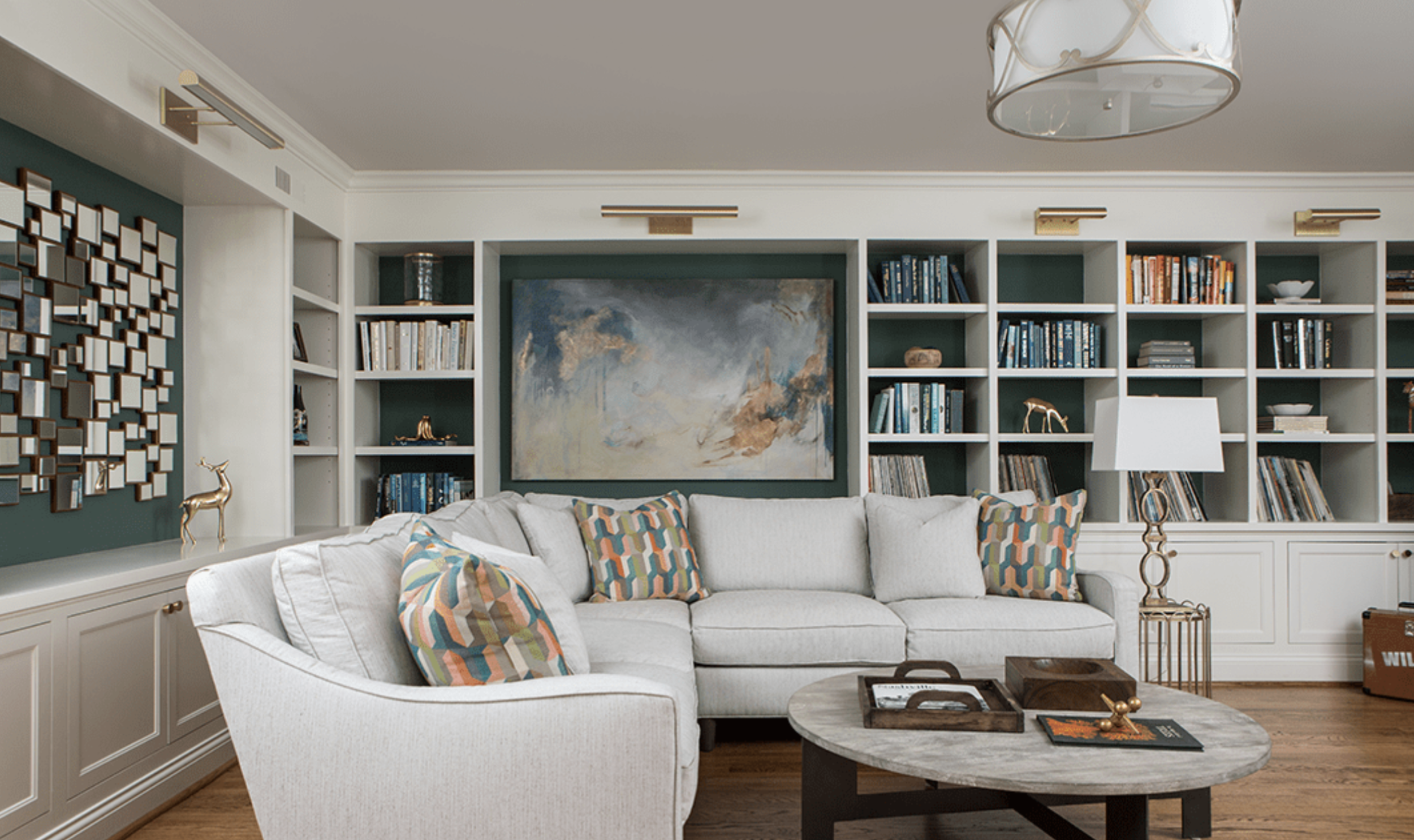
Known for her concept of Psychological Staging™, Kristie brought buyer psychology to the forefront. She teaches that staging is not just visual—it’s emotional. The right color choices, balanced with buyer mindset, can unlock feelings of welcome and aspiration the moment someone walks in the door.
Tori Toth — Educator and Media Voice
Through her videos, book, and Home Staging TV, Tori made staging accessible to the public. She shows that clarity, communication, and education are as important as design skills. Her work proves that staging can—and should—be understood by everyday homeowners, not just professionals.
Jennie Norris — Association & Advocacy
As Chairwoman of IAHSP today, Jennie carries forward the legacy of professional standards and community. She reminds us that staging is bigger than any one business—it’s a global movement of professionals raising property value, one home at a time.
--------------
Learning about these leaders helped me honor the breadth of this field while also clarifying my own voice. Their approaches range from bold luxury to psychological nuance, from massive inventory to education-first models. My path is lighter, natural, emotionally resonant, and designed to support women in transition. I focus on creating calm, fresh spaces with intention—helping each seller embrace their next chapter.
Across the country, staging takes many forms—from Debra Gould’s business-savvy simplicity, non-inventory approach, to Cheryl Eisen’s media-polished luxury. Even in my own town, there’s a resourceful staging company, founded by designer Marti Wilkinson, and her warehouse filled with furniture and accessories for rent, which many designers and realtors draw from. It’s a reminder that staging is flexible: you can work with large inventories, or non, or as I prefer, create light, natural, and minimal spaces with carefully chosen pieces. Both paths exist—but this course will show you the style I believe in.