Chapter 1: Introduction To Home Staging
IN THIS LESSON
"Home Isn't a place, it's a feeling", Cecilia Ahern--
Welcome to Lesson 3 of our Chapter 1: Introduction to Home Staging, where we delve into the fascinating world of buyer psychology. This lesson is a crucial component of our comprehensive course, specifically tailored for women 35-60 who want to create a fresh start. Our aim is to equip you with the knowledge and skills necessary to stage your home effectively, enhancing its appeal and marketability, leading to faster sales and higher offers. Embrace this opportunity for renewal as you transform your space, setting the stage for new beginnings and exciting possibilities.

In this lesson, we explore the intricate psychology behind what potential buyers seek when viewing a home. Understanding these psychological triggers is essential for creating an environment that resonates with buyers on an emotional level, ultimately influencing their purchasing decisions. We'll guide you through the key elements that buyers typically prioritize, such as space, light, and functionality, and how these can be highlighted through strategic staging. From decluttering and depersonalizing to choosing the right color palette and furniture arrangement, you'll learn how to make your home irresistible to prospective buyers.
Furthermore, we will discuss the powerful impact of staging on a buyer's perception. Staging is more than just decorating; it's about creating a narrative that allows buyers to envision themselves living in the space. We'll provide you with practical tips and techniques to transform your home into a welcoming and aspirational setting.
By the end of this lesson, you will have a deeper understanding of the psychological factors that drive buyer behavior and how to leverage these insights to your advantage. Whether you're preparing to sell your home or simply want to refresh and enhance its appeal, this lesson offers valuable strategies to ensure your home stands out in the competitive real estate market.
Join us in Lesson 3 as we unlock the secrets of buyer psychology and empower you to stage your home with confidence and success. What are some key aspects?
Understanding real estate buyer psychology can greatly enhance your ability to connect with potential buyers and meet their needs effectively. Here are some key aspects to consider:
Emotional Connection: Buyers often make decisions based on emotions. They envision their future in the home, considering how it will fit their lifestyle and aspirations. Highlighting features that evoke positive emotions can be persuasive.
Perceived Value: Buyers look for value in a property. This includes not just the price, but also the quality, location, and potential for appreciation. Emphasizing these aspects can make a property more appealing.
Fear of Missing Out (FOMO): Limited availability or high demand can create urgency. Buyers may act quickly if they believe a desirable property might be snatched up by someone else. A staged home can create this sense of urgency, versus an non-staged home.
Rational Analysis: While emotions play a big role, buyers also consider practical factors like budget, commute times, school districts, and neighborhood amenities. Providing clear, factual information can help buyers make informed decisions.
Personalization: Buyers appreciate when their unique needs and preferences are acknowledged. Tailoring your approach to highlight how a property meets their specific criteria can be very effective. This entails upgrading certain features of the house, like lighting, flooring, or hardware to more in-trend options.
The Space
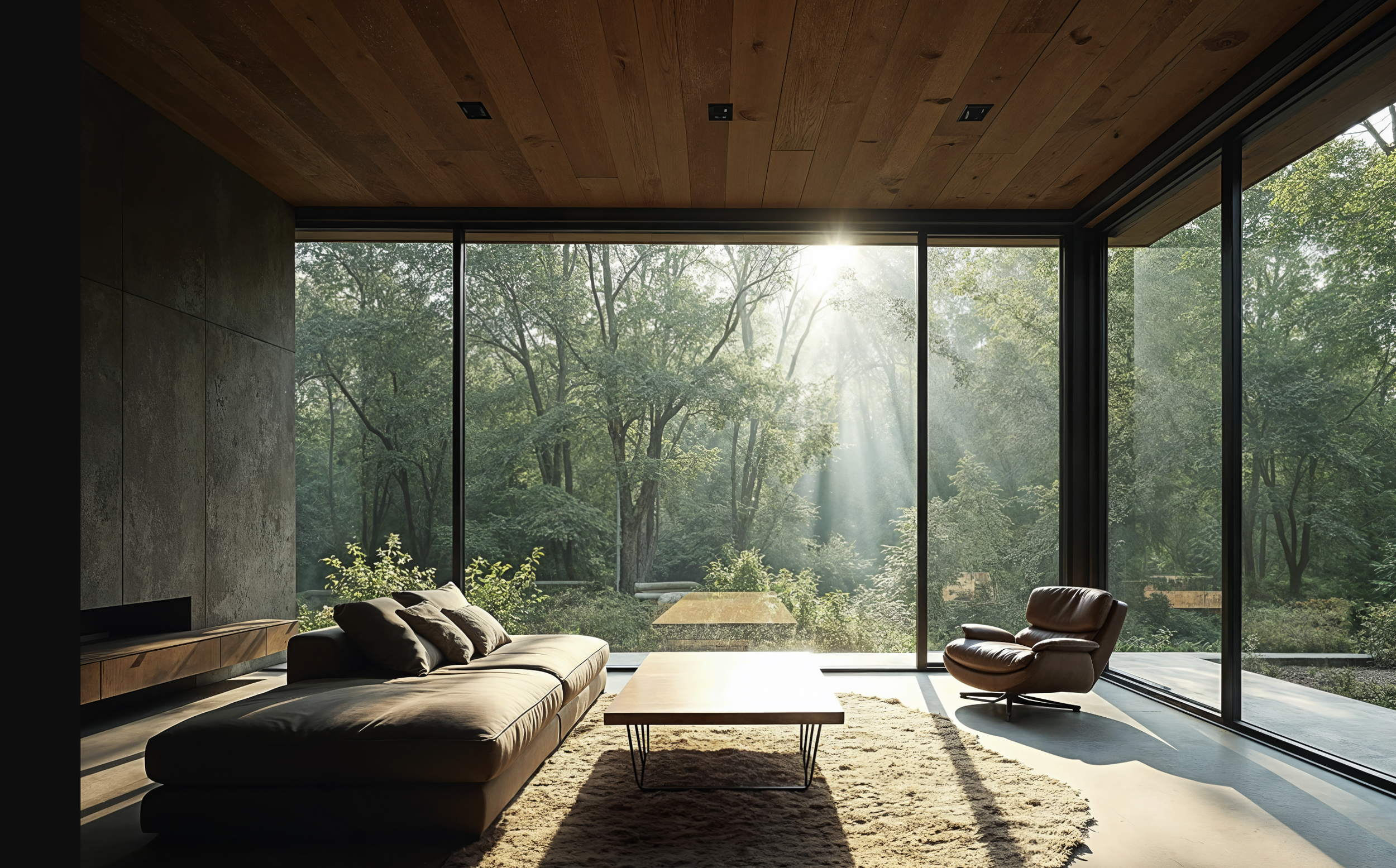
Let's start at the beginning: Consider the quality and character of your home. Reflect on the space, architectural style, and unique features that define its personality. Observe how natural light filters through the windows and glass doors, creating a distinctive ambiance, at a specific time of day. Identify the focal point of your home—perhaps it's a cozy fireplace in the living room or a striking staircase. Take a moment to appreciate the outdoor spaces, such as the garden, sitting areas, and the welcoming entrance at the front of the house. Much like people, houses possess unique personalities, rich with stories and history. By focusing on the core elements, you can uncover the true essence of your home.
So how will you achieve that blank slate and new narrative that will inspire your potential buyer to continue creating the history of your house, as you move on and let go of your long lived connection to your precious home experience? You are committed to the idea, and you know it will bring you the joy of freedom, and a new beginning.
Let's get practical and focus on the present
Begin by acknowledging the clutter accumulated over the years—items once perceived as necessary and cherished, souvenirs, gifts, mismatched furnishings, trophies, books, CDs (are you a young boomer, do you still have those?), files from past careers, and overflowing closets. This is the moment of truth, where letting go becomes essential. Decluttering is the crucial first step, including removing personal photos from walls and frames, depersonalization. Yes, it's deeply emotional, but it's necessary.
Tip-Suggestion:
Though daunting, this process is achievable. Set your mindset to organize based on utility, keeping only what's necessary. Consider the approach of Marie Kondo, the renowned decluttering expert, whose book "The Life-Changing Magic of Tidying Up: The Japanese Art of Decluttering and Organizing" explores how organizing your space can lead to profound lifestyle and perspective changes. Her inspiring philosophy is pertinent to the process of letting go and inviting a new life.
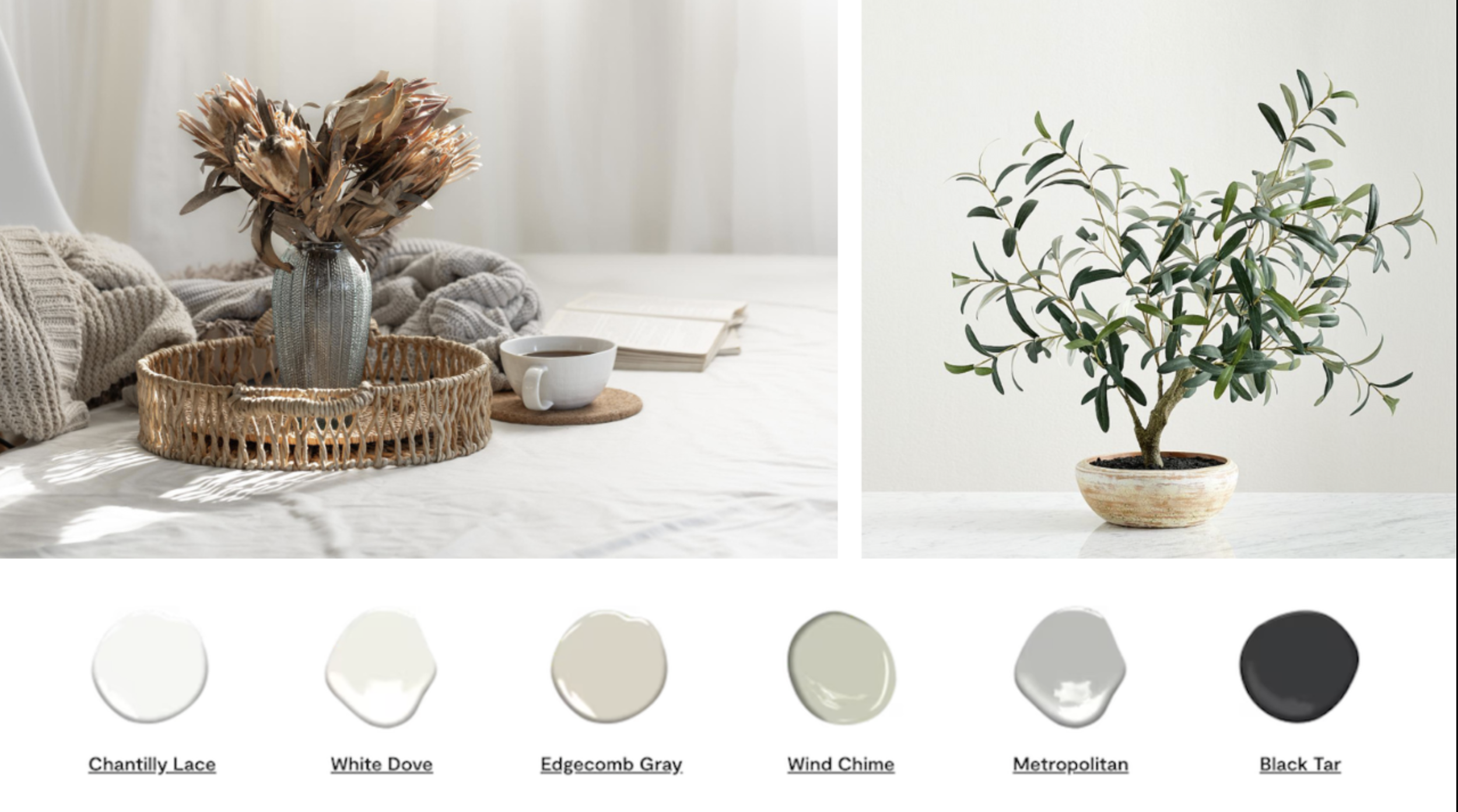
Next, focus on your walls. Choose a minimalist cohesive neutral color palette to apply throughout the house. For moldings and window frames, consider using a slightly lighter stain finish to add subtle contrast. A fresh coat of paint can transform and rejuvenate a space, making it feel new. Ensure that every room flows within a selected minimalist color palette to create a tranquil and expansive atmosphere.
Next Steps
By now, you've likely identified where to store items that aren't essential, having curated a selection of necessary pieces for each room. Now, it's time to consider the colors within your space—think about the hues in your furniture, bedding, accessories like cushions, and wood elements. Simplifying these aspects can enhance the room's spatial perception. As you come back to your Neutral Color Palette, visualize all items in your space, harmonizing within the palette chosen.
Pro Tip: Read your room as you read a book -
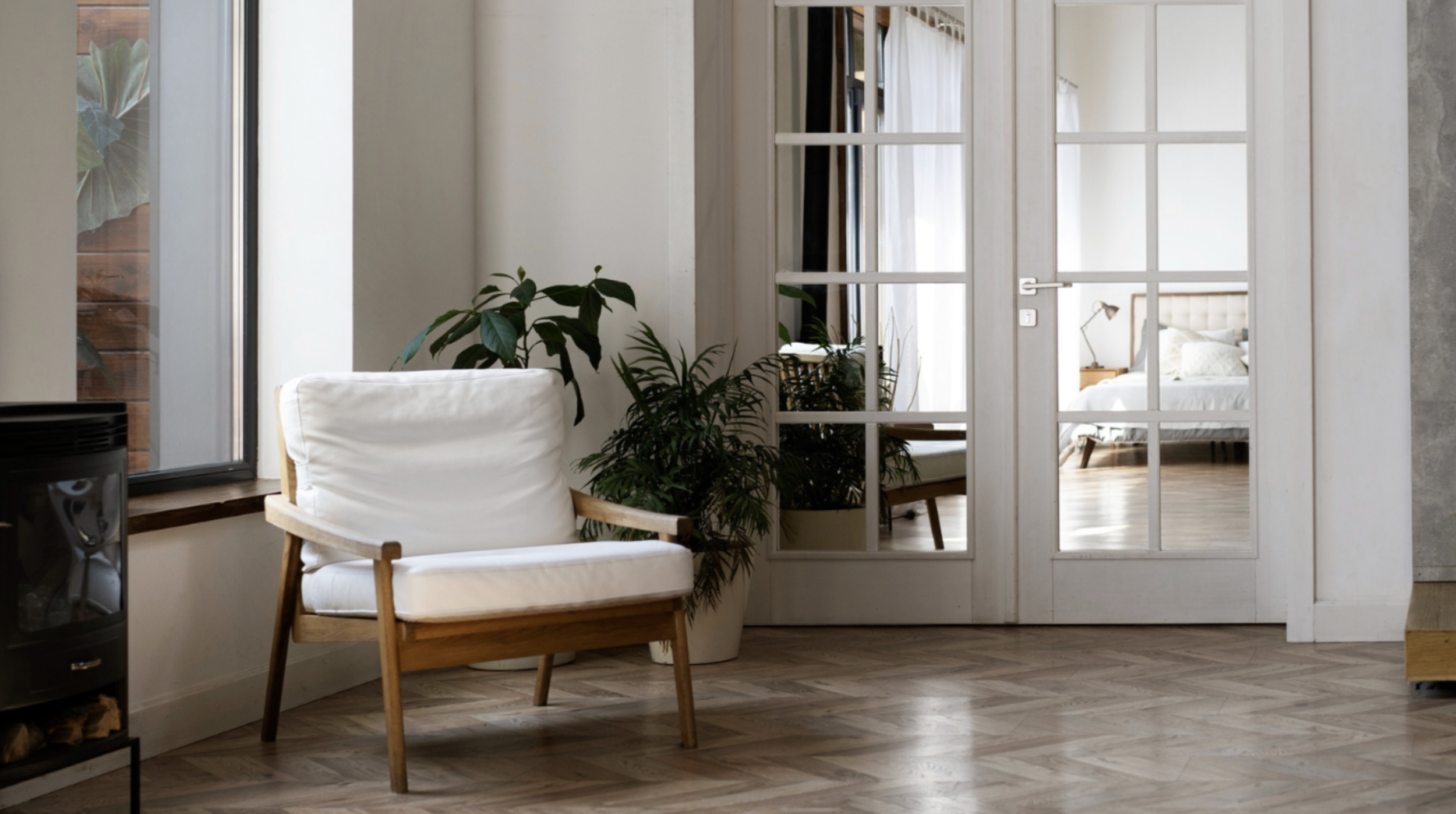
Try a visual scan from left to right in each room, starting at the door. Slowly observe where your eyes naturally pause as you move your gaze. This technique helps you notice items that may be out of place. Consider removing and rearranging pieces to achieve balance, ensuring that accents on the left are complemented on the right. Balance can be achieved through color or shape.
In future lessons, we'll delve deeper into these concepts. For now, focus on sensing the space. Begin selecting furnishings thoughtfully for your staging and arrangement. Aim to create an environment that feels elevated, lighter, and neutral, subtly guiding potential buyers on how to utilize the space.
Action -
Find your Action for this lesson in the Attached Files.
It is a reflective exercise to connect yourself to how you experienced your home the first time. By remembering this feeling, you can recreate the same emotional environment for your prospective buyer.